Discover Türkiye
Where two continents meet

Türkiye, land of ten thousand years

From the domes of Istanbul to the fairy chimneys of Cappadocia and the turquoise coves of the Mediterranean — a visual guide to the country's most unforgettable places.

22UNESCO World Heritage Sites
8,300+ kmof coastline on four seas
2continents, one country

Central Anatolia

Konya & the Mevlâna
The sema — worship in motion

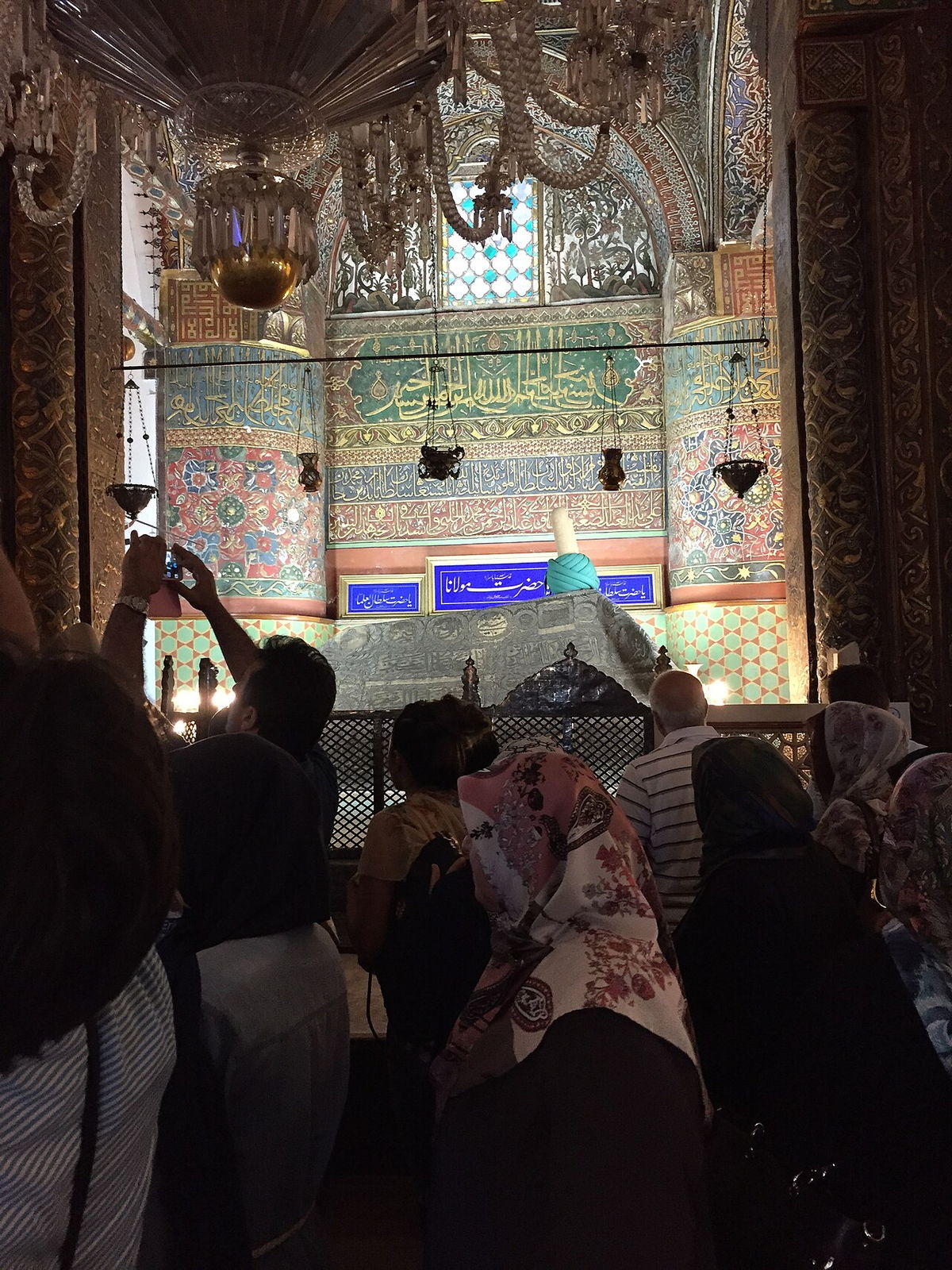
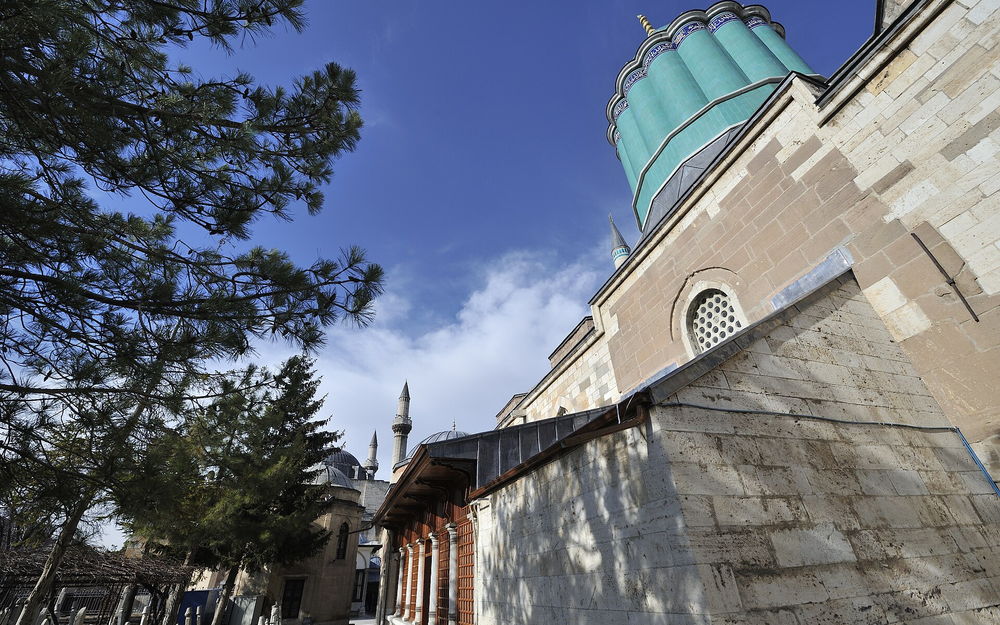
The spiritual heart of Türkiye, where the 13th-century Sufi poet Rumi taught and is buried beneath a turquoise-tiled dome. His mausoleum-museum and the mesmerising sema ceremony of the whirling dervishes draw pilgrims from every faith.

Where
Konya, Central Anatolia
Best time
Year-round; Rumi festival in December
Getting there
High-speed trains reach Konya in ~2 h from Ankara and ~4.5 h from Istanbul; the airport (KYA) has daily Istanbul flights.
Eat & drink
Etli ekmek — a metre of thin flatbread with spiced lamb — plus fırın kebabı (oven-roasted mutton) and okra soup, Konya's wedding classic.
Tip
See an authentic sema ceremony (Saturdays at the Mevlâna Cultural Centre) and try etli ekmek, Konya’s metre-long flatbread.

The story

“Come, come, whoever you are” — the invitation attributed to Jalal ad-Din Rumi, the 13th-century Sufi mystic and poet, still defines his city. Konya was the capital of the Seljuk sultans when Rumi's family arrived fleeing the Mongols, and their finest architecture survives: the turquoise-domed shrine where he lies, the İnce Minareli and Karatay madrasas with their star-spangled tile vaults, and Alaeddin Mosque on its ancient mound.

Rumi's followers founded the Mevlevi order — the whirling dervishes — whose sema ceremony turns grief into a slow, spinning meditation. See a genuine one on a Saturday evening at the Mevlâna Cultural Centre (it's worship, not a show — no applause). December brings Şeb-i Arus, the anniversary of Rumi's “wedding night” with the divine, when pilgrims and poetry readers fill the city. Modern Konya is pious, prosperous and calm — Türkiye at its most serene.

In pictures
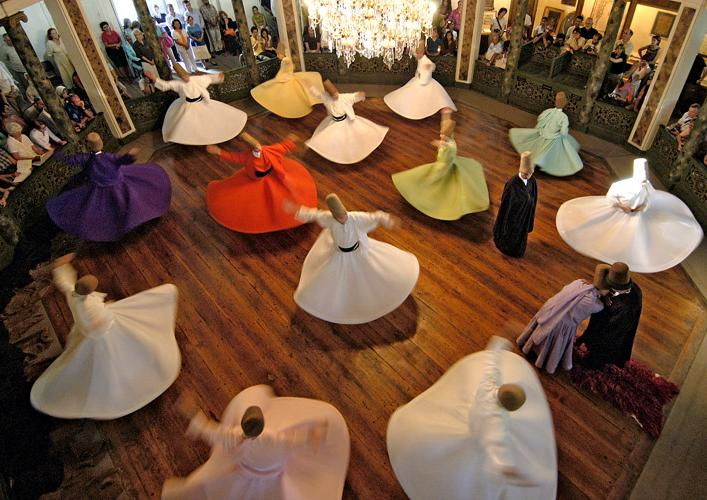
The sema — worship in motion
Rumi's turquoise-tiled mausoleum
Region by region

What to see, region by region

Seven regions, 20 hand-picked places. Jump to a region:

01

Marmara & Istanbul

Two continents, three empires — and the walls of Troy

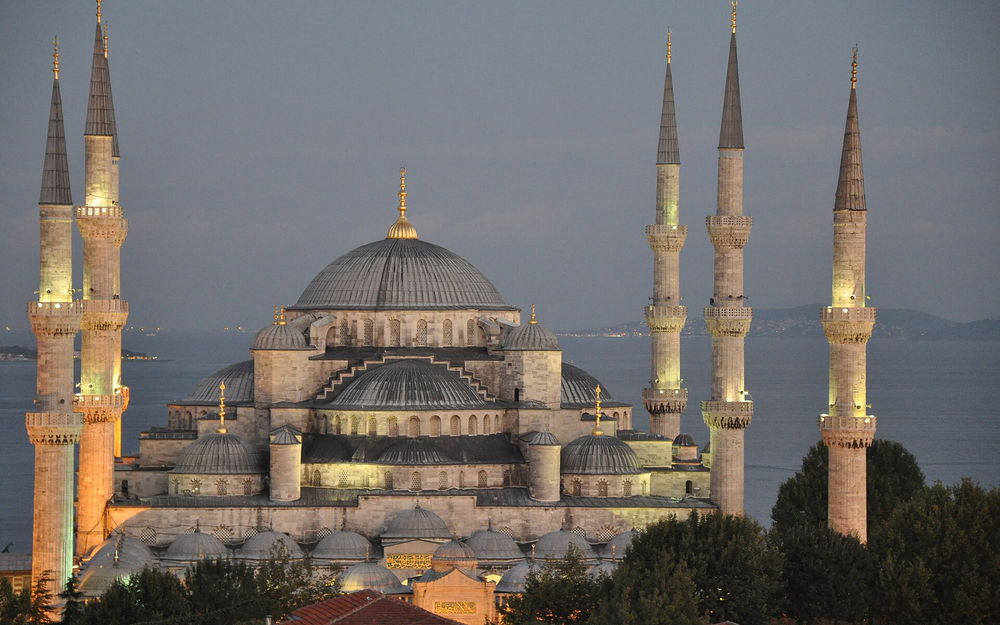
The 6th-century exterior with its Ottoman minaretsUNESCO

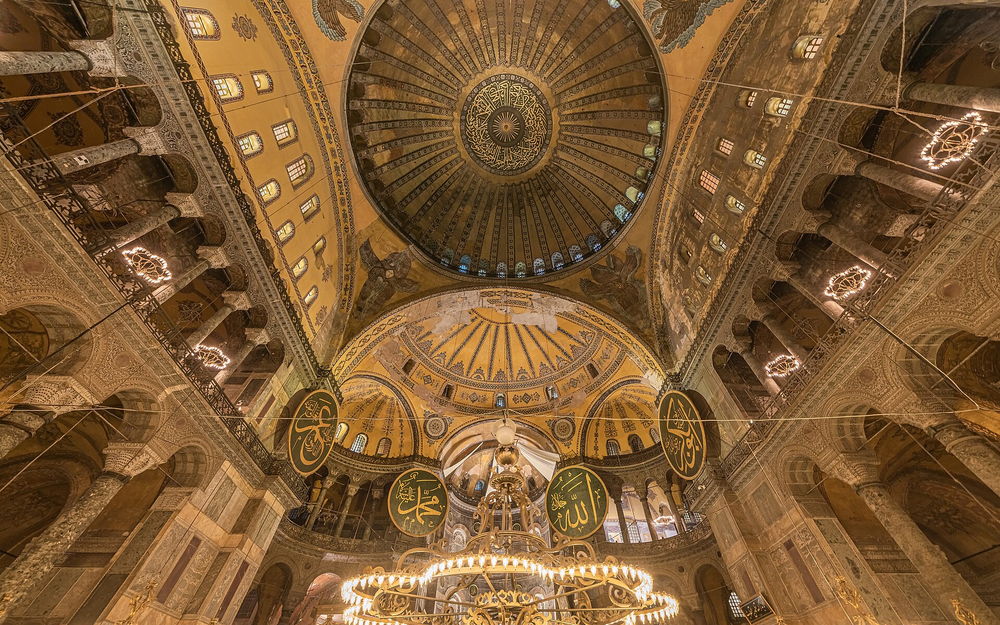
Hagia Sophia

Built in 537 AD as the greatest cathedral of Byzantium, later an imperial mosque — for almost a thousand years this was the largest enclosed space on Earth. Its floating golden dome and layered history make it Türkiye’s single most famous building.

Where: Sultanahmet, Istanbul
Best time: Apr–Jun & Sep–Nov; go right at opening
Tip: Foreign visitors tour the upper gallery (ticket ≈ €25); closed to tourists during prayer times.
A ceiling of hand-painted İznik blueUNESCO

Blue Mosque & Sultanahmet

The Sultan Ahmed Mosque, crowned by six minarets and lined with 20,000 handmade İznik tiles, faces Hagia Sophia across a rose garden. Around it lies the old imperial quarter: Topkapı Palace, the Basilica Cistern and the Grand Bazaar’s 4,000 shops.

Where: Sultanahmet, Istanbul
Best time: Year-round; dusk for the best photos
Tip: Entry is free, outside the five daily prayers. Dress modestly; scarves are provided at the door.
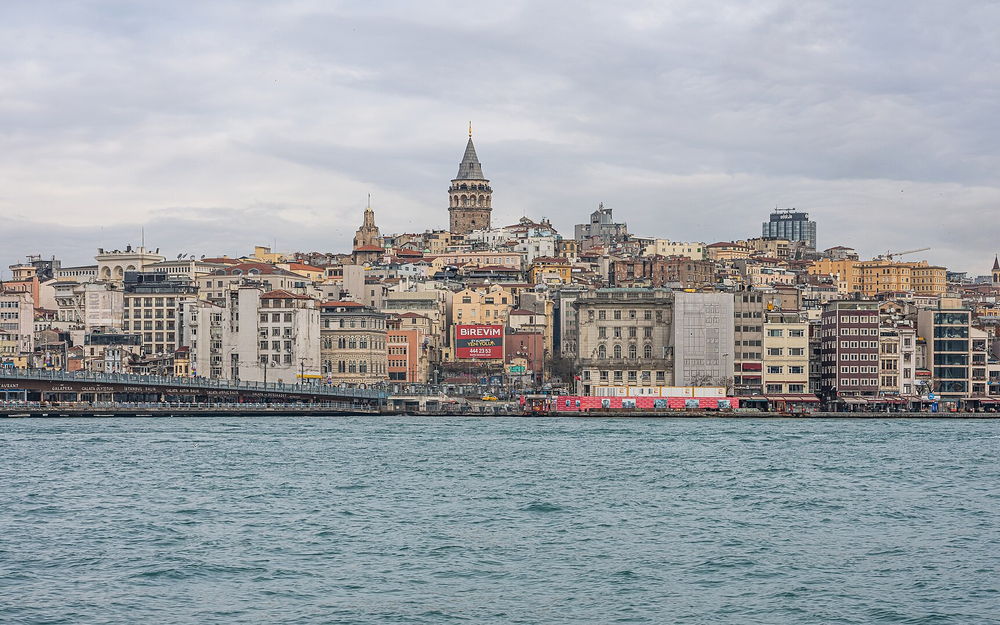
The Genoese tower over Galata's rooftops

Galata & the Bosphorus

Cross the Galata Bridge past anglers and fish sandwiches, climb the 14th-century Genoese tower for a 360° panorama, then take a ferry up the strait that separates Europe from Asia — the cheapest world-class cruise anywhere.

Where: Karaköy / Beyoğlu, Istanbul
Best time: Year-round; sunset ferry is magical
Tip: Use an Istanbulkart for ferries, trams and metro — public ferries beat pricey tourist cruises.
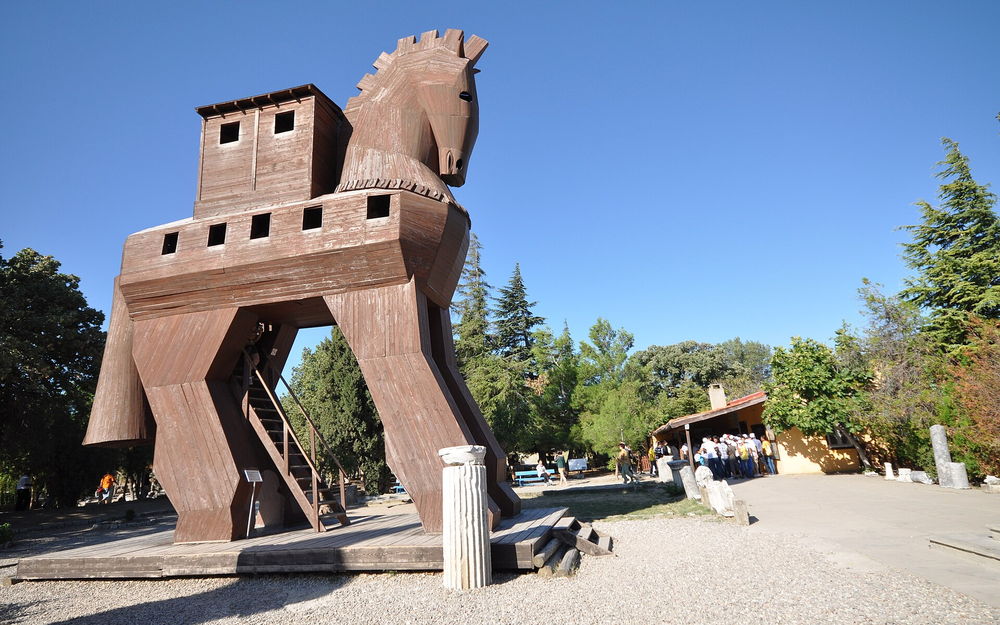
The wooden horse on Çanakkale's waterfrontUNESCO

Troy

The legendary city of Homer’s Iliad, where archaeologists found nine cities stacked over 4,000 years. Walk the ancient walls, pose with the wooden horse, then dive deeper at the striking modern Troy Museum next door.

Where: Near Çanakkale, Dardanelles
Best time: Apr–Jun & Sep–Oct
Tip: Combine with the moving Gallipoli battlefields across the strait for a full day of history.
Plan by month

When are you going?

Pick a month and we'll show the destinations at their very best right then.

Good to know

Practical tips for your trip

A few things that make travelling in Türkiye easier — from visas and money to mosque etiquette.

Visas & entry

Many nationalities enter visa-free or with a quick e-Visa from the official site evisa.gov.tr. Check your passport’s rules before booking.

Money

The currency is the Turkish lira (₺). Cards are accepted almost everywhere, but keep small cash for bazaars, taxis and tips — and haggling in bazaars is expected.

Mosque etiquette

Mosques are free to visit outside prayer times. Shoulders and knees covered, shoes off at the door, headscarves for women (usually provided). Keep voices low.

Getting around

Distances are big: cheap domestic flights (THY, Pegasus, AJet) link all regions, intercity buses are excellent, and high-speed trains connect Istanbul, Ankara and Konya.

Museum Pass

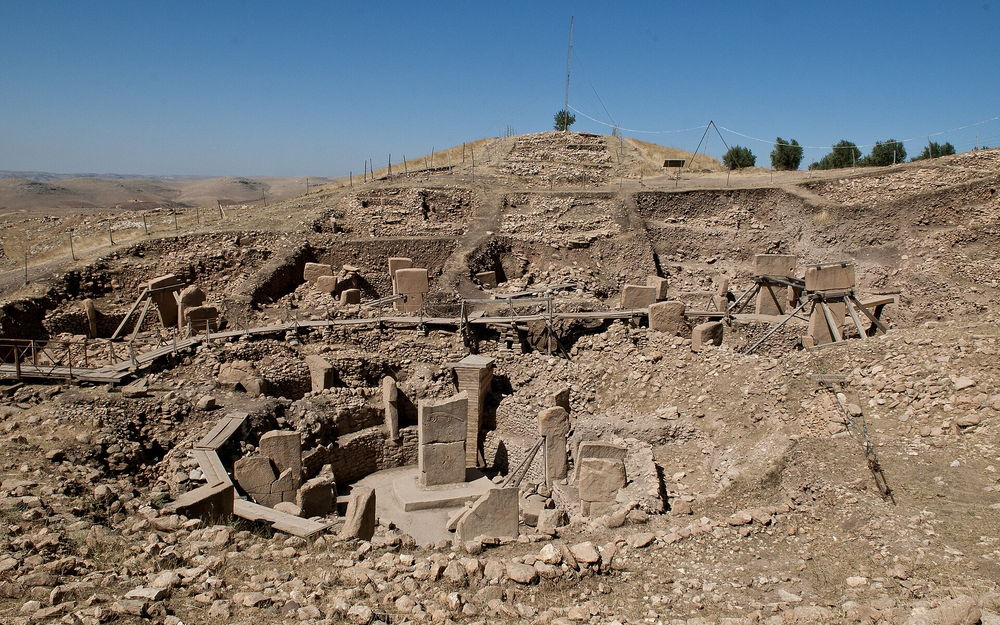
The official Museum Pass Türkiye (muze.gov.tr) covers hundreds of state-run sites — Ephesus, Göbekli Tepe, Topkapı and more — and lets you skip ticket queues.

Food & tea culture

Say yes to çay — tea is the language of hospitality. Try a full Turkish breakfast, street simit, pide, meze by the sea and baklava with pistachio from Gaziantep.