What to see, region by region
Seven regions, 20 hand-picked places. Jump to a region:
Marmara & Istanbul
Two continents, three empires — and the walls of Troy
 UNESCO
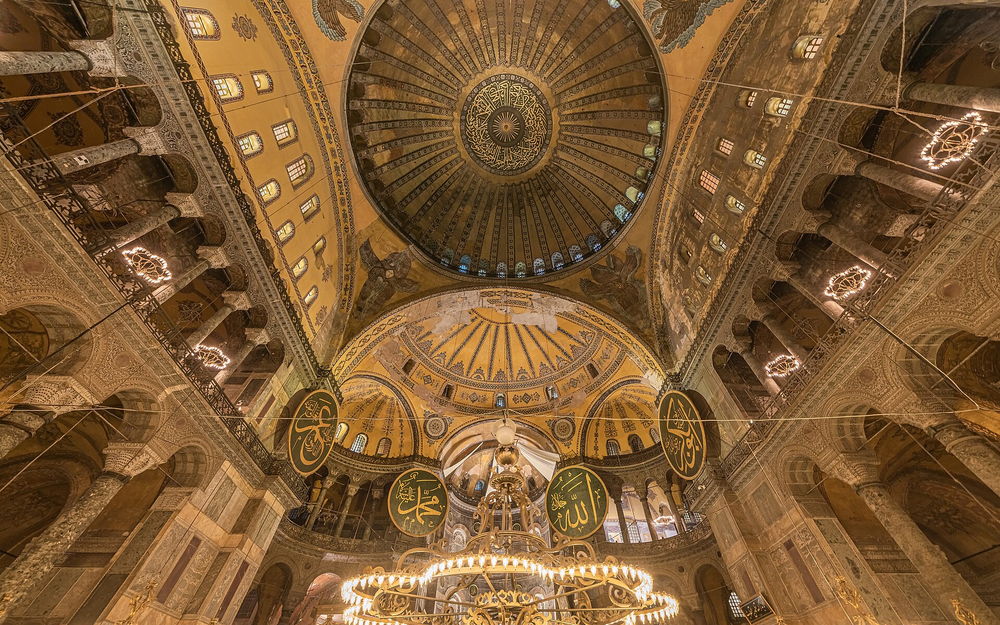
Hagia Sophia
Built in 537 AD as the greatest cathedral of Byzantium, later an imperial mosque — for almost a thousand years this was the largest enclosed space on Earth. Its floating golden dome and layered history make it Türkiye’s single most famous building.
 UNESCO
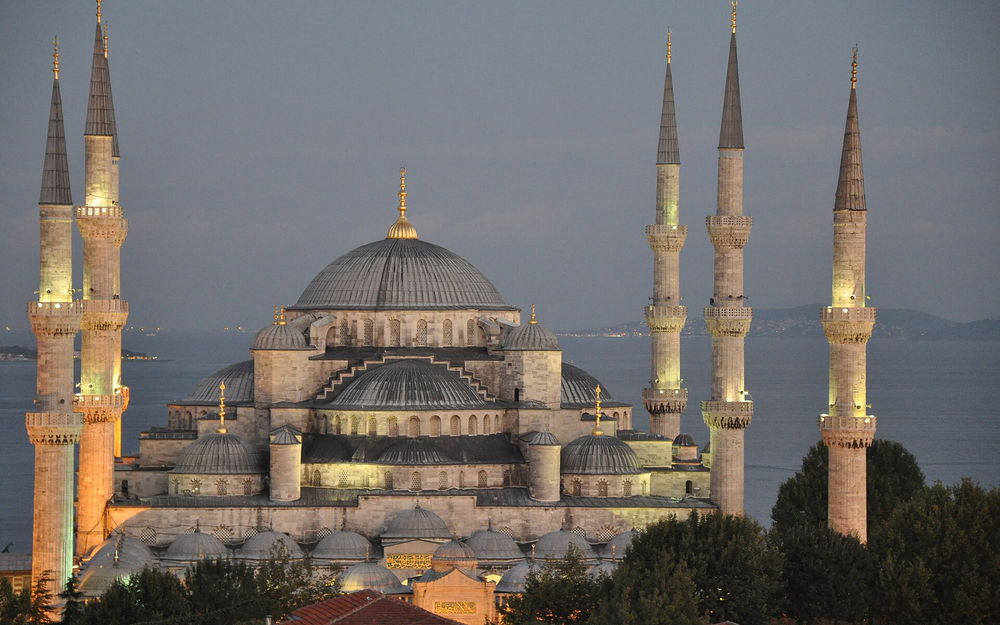
Blue Mosque & Sultanahmet
The Sultan Ahmed Mosque, crowned by six minarets and lined with 20,000 handmade İznik tiles, faces Hagia Sophia across a rose garden. Around it lies the old imperial quarter: Topkapı Palace, the Basilica Cistern and the Grand Bazaar’s 4,000 shops.
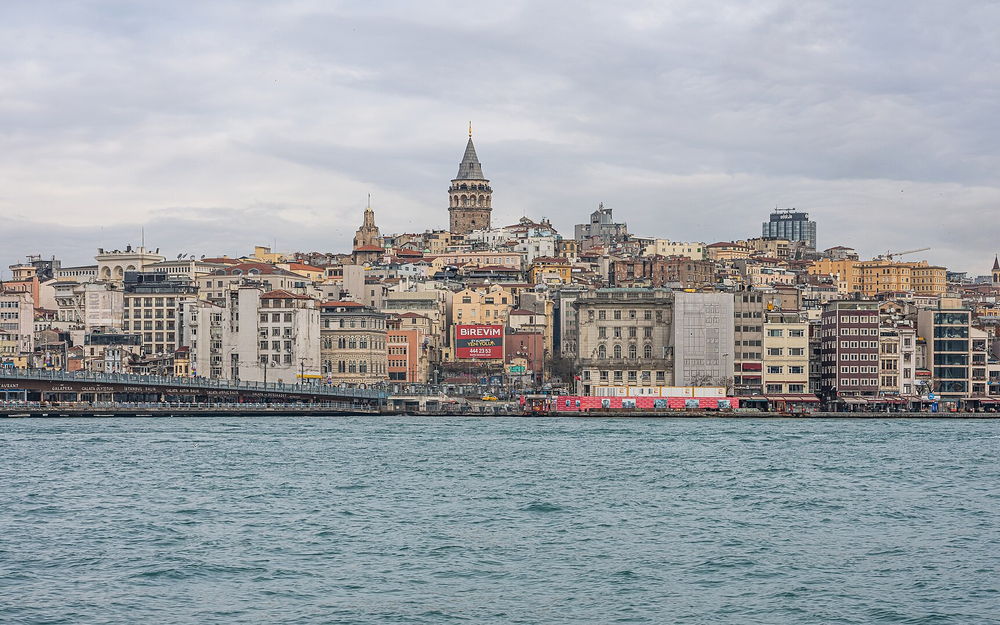
Galata & the Bosphorus
Cross the Galata Bridge past anglers and fish sandwiches, climb the 14th-century Genoese tower for a 360° panorama, then take a ferry up the strait that separates Europe from Asia — the cheapest world-class cruise anywhere.
 UNESCO
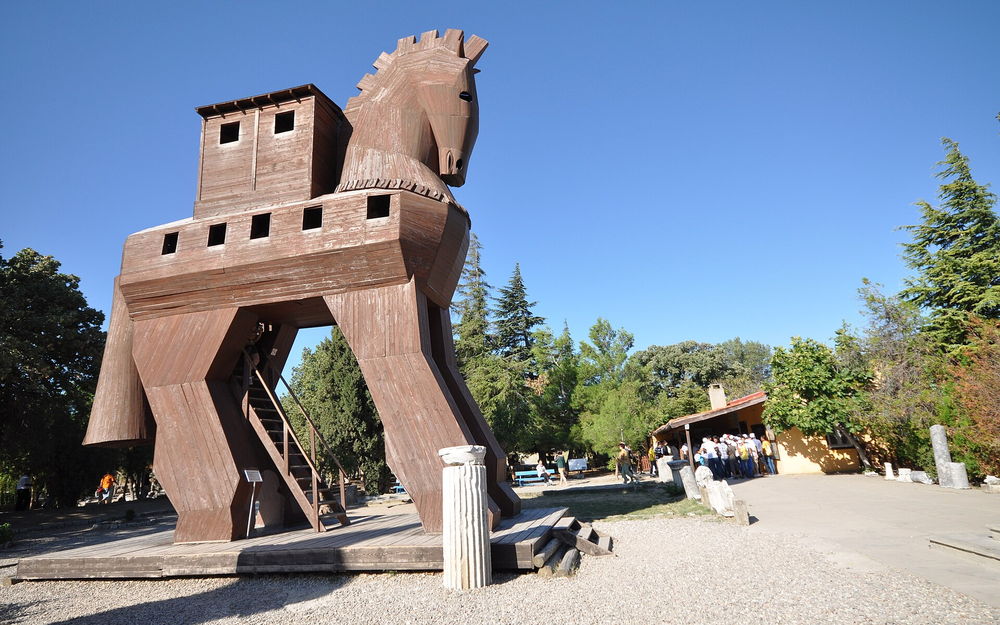
Troy
The legendary city of Homer’s Iliad, where archaeologists found nine cities stacked over 4,000 years. Walk the ancient walls, pose with the wooden horse, then dive deeper at the striking modern Troy Museum next door.
Aegean Coast
Marble cities of antiquity, thermal terraces and whitewashed harbours
 UNESCO
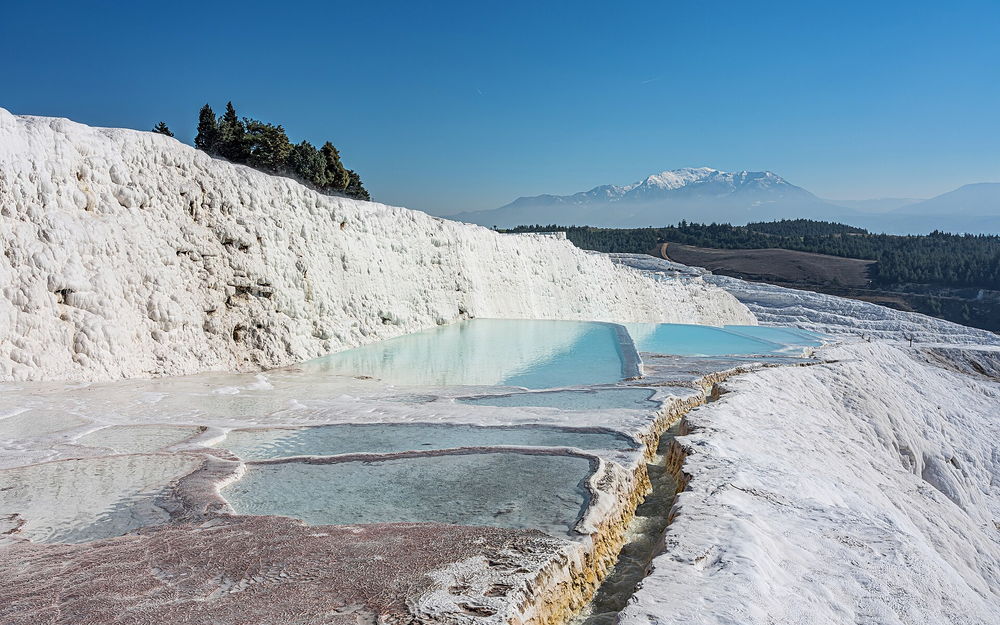
Pamukkale & Hierapolis
The "Cotton Castle": a hillside of dazzling white travertine terraces filled with warm, mineral-rich water. On the plateau above sit the ruins of Roman Hierapolis, where you can swim among sunken ancient columns in Cleopatra’s Pool.
 UNESCO
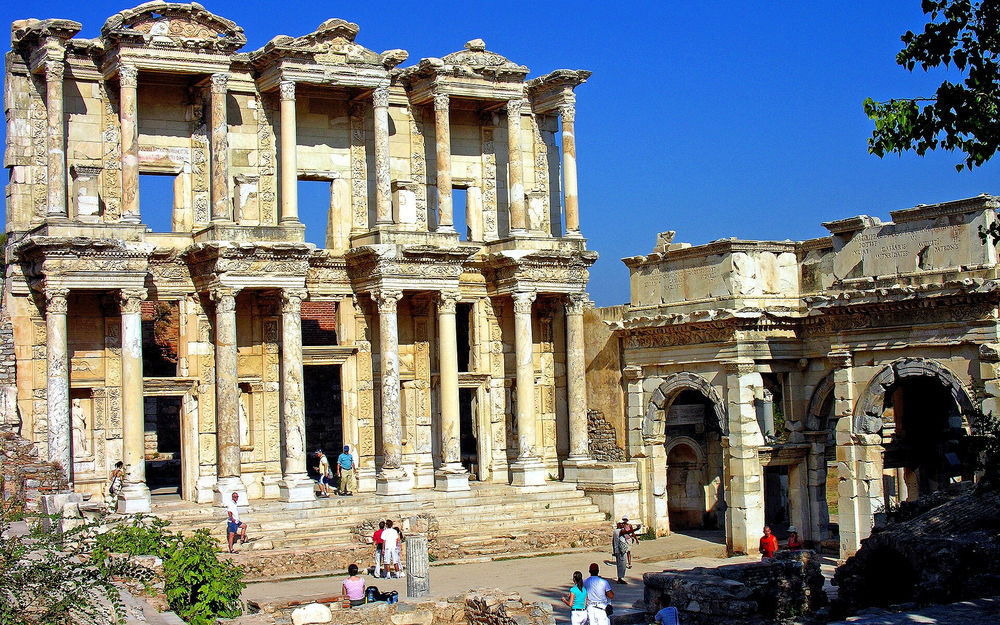
Ephesus
The best-preserved classical city of the eastern Mediterranean. Walk marble streets past the two-storey Library of Celsus, terraced Roman houses with intact frescoes, and a great theatre that once seated 25,000 spectators.
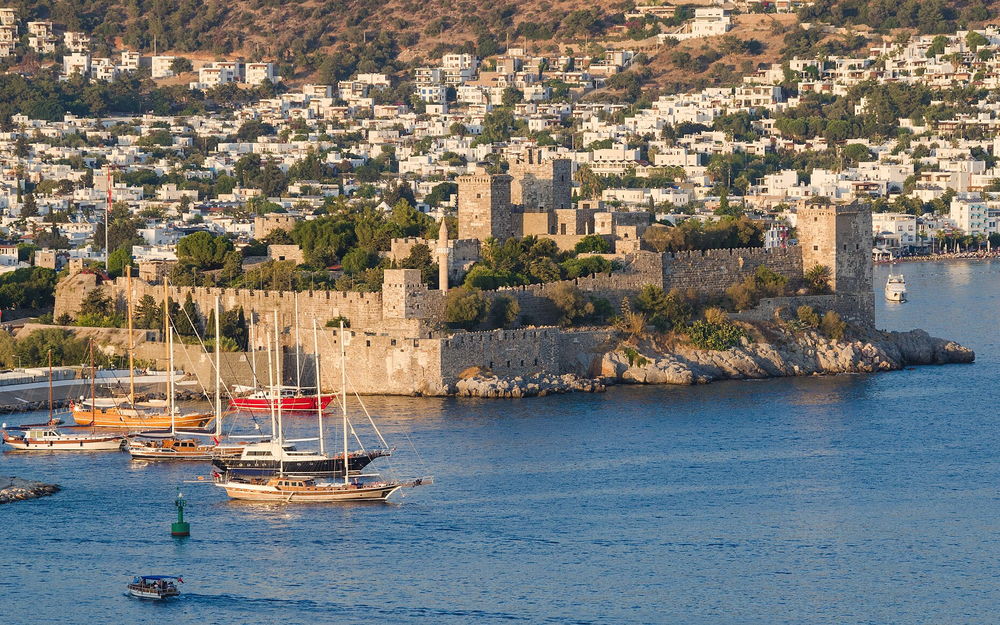
Bodrum
Whitewashed houses and bougainvillea spill down to a bay guarded by the Castle of St. Peter, home to a world-class Museum of Underwater Archaeology. Ancient Halicarnassus’ Mausoleum — one of the Seven Wonders — once stood here.
Mediterranean — the Turquoise Coast
Pine-fringed lagoons, Lycian ruins and 300 days of sunshine
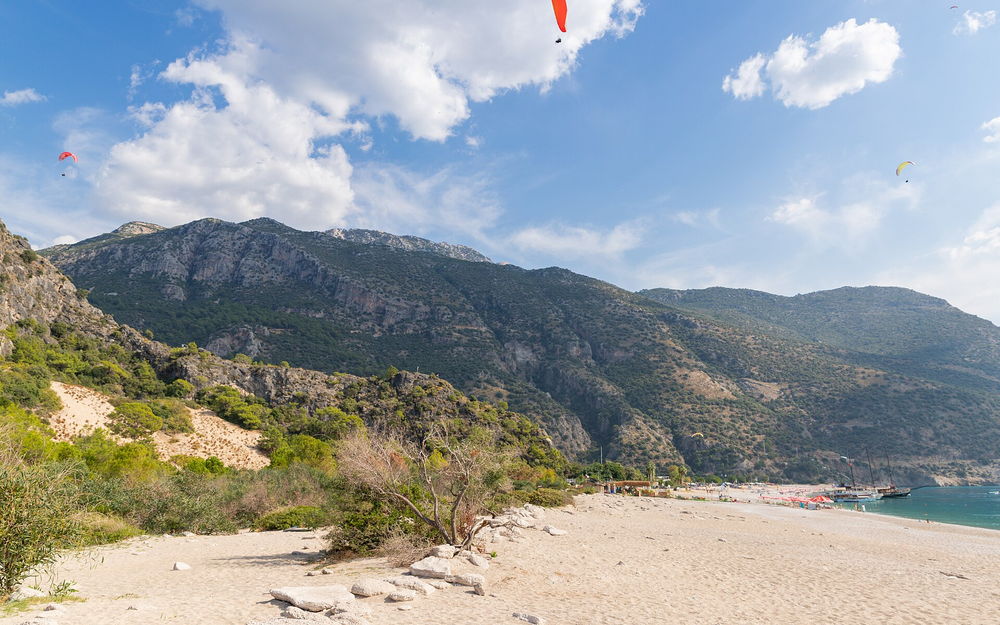
Ölüdeniz & Fethiye
A still, turquoise lagoon curling around a white spit of sand beneath pine-covered mountains — Türkiye’s most photographed beach. Tandem paragliders launch from 1,900 m Babadağ and spiral down over the bay; the Lycian Way starts nearby.
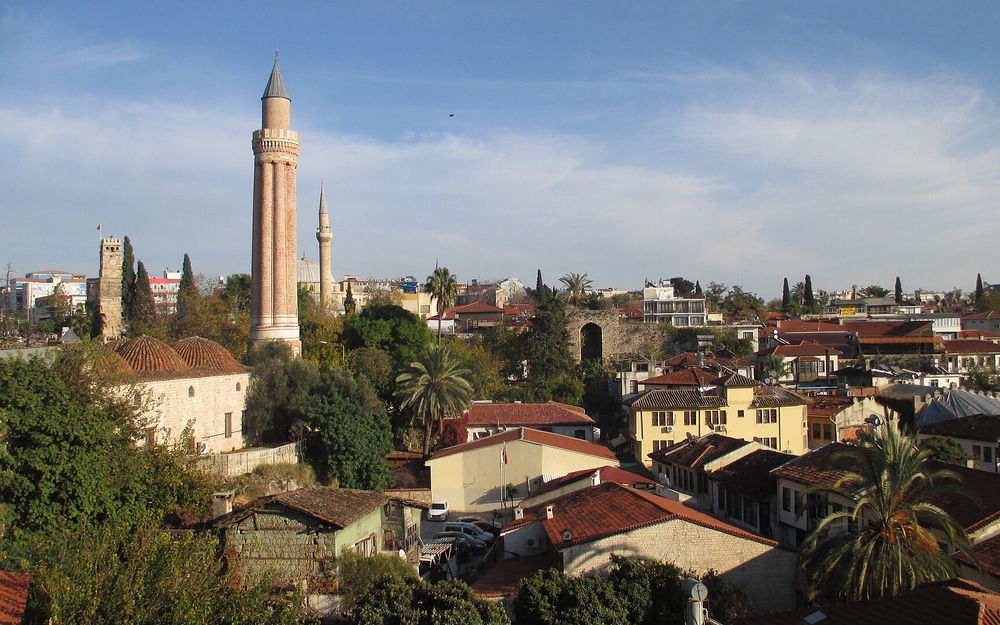
Antalya
The capital of the Turkish Riviera: an Ottoman old town (Kaleiçi) wrapped around a Roman harbour, waterfalls that plunge straight into the sea, and long beaches backed by the Taurus mountains. Perge, Aspendos and Side are an easy drive away.
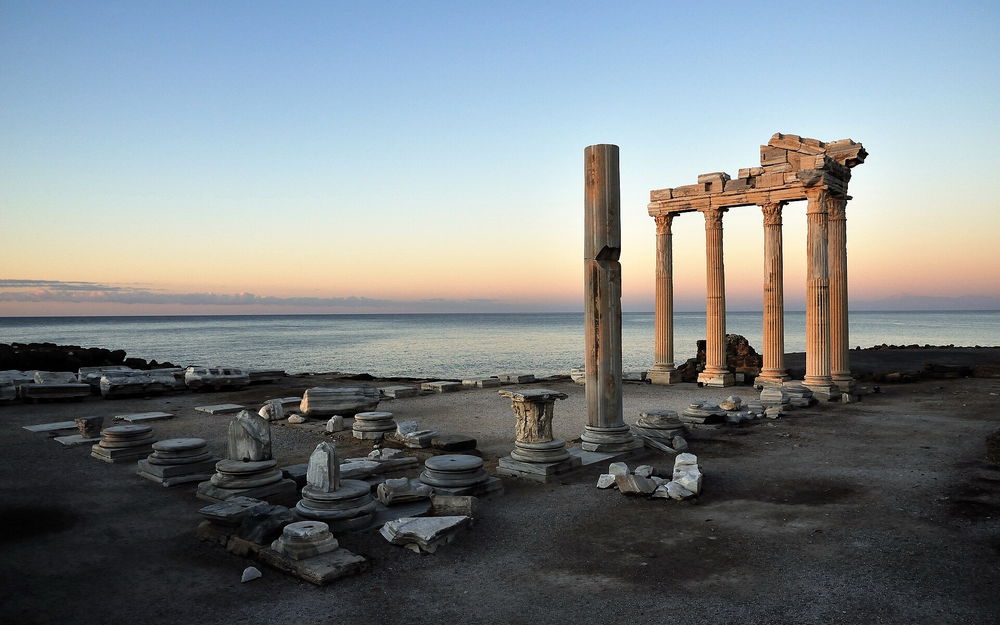
Side & Aspendos
A Greco-Roman port town on a small peninsula, where the marble columns of the Temple of Apollo frame the sunset over the sea. Nearby Aspendos preserves the best-kept Roman theatre in the world — still hosting performances.
Central Anatolia
Fairy chimneys, underground cities and the home of the whirling dervishes
 UNESCO
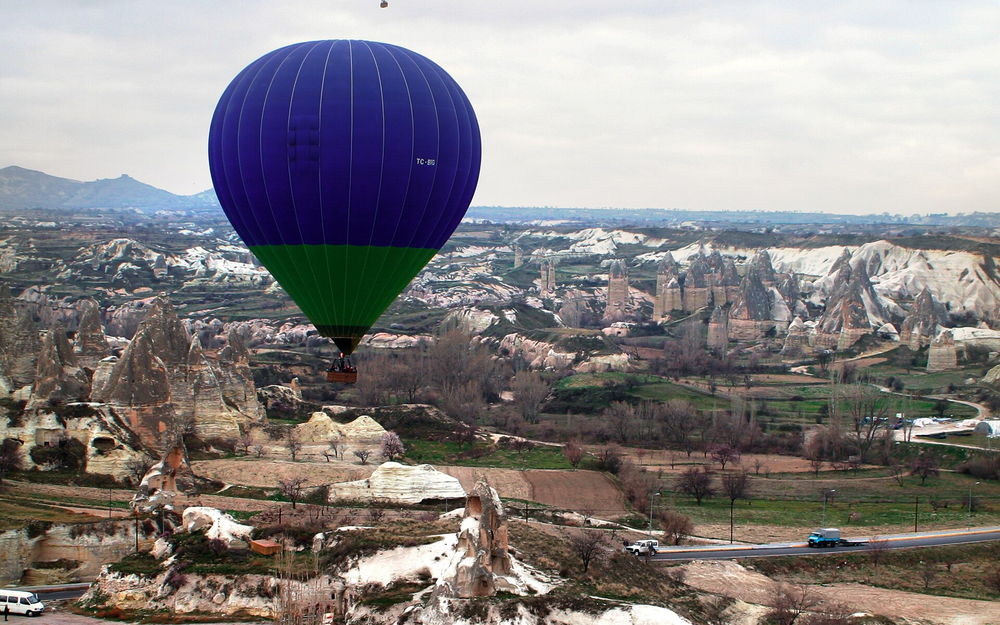
Cappadocia
A surreal volcanic landscape of fairy chimneys, hidden Byzantine cave churches and entire underground cities. At dawn, more than a hundred hot-air balloons drift over the valleys of Göreme — one of the world’s great travel spectacles.
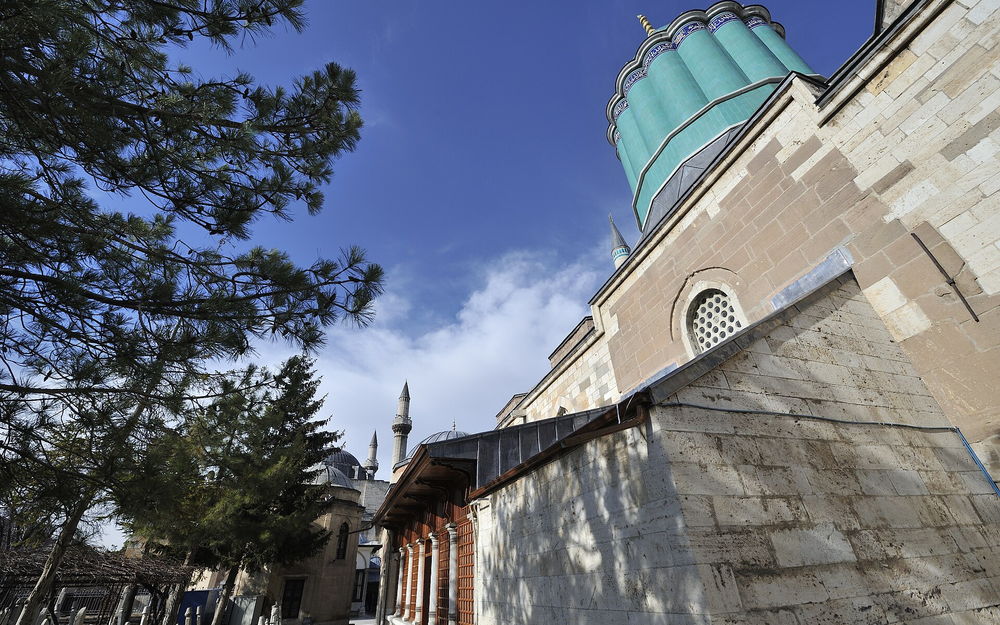
Konya & the Mevlâna
The spiritual heart of Türkiye, where the 13th-century Sufi poet Rumi taught and is buried beneath a turquoise-tiled dome. His mausoleum-museum and the mesmerising sema ceremony of the whirling dervishes draw pilgrims from every faith.
Black Sea
Cliff monasteries, tea gardens and perfectly preserved Ottoman towns
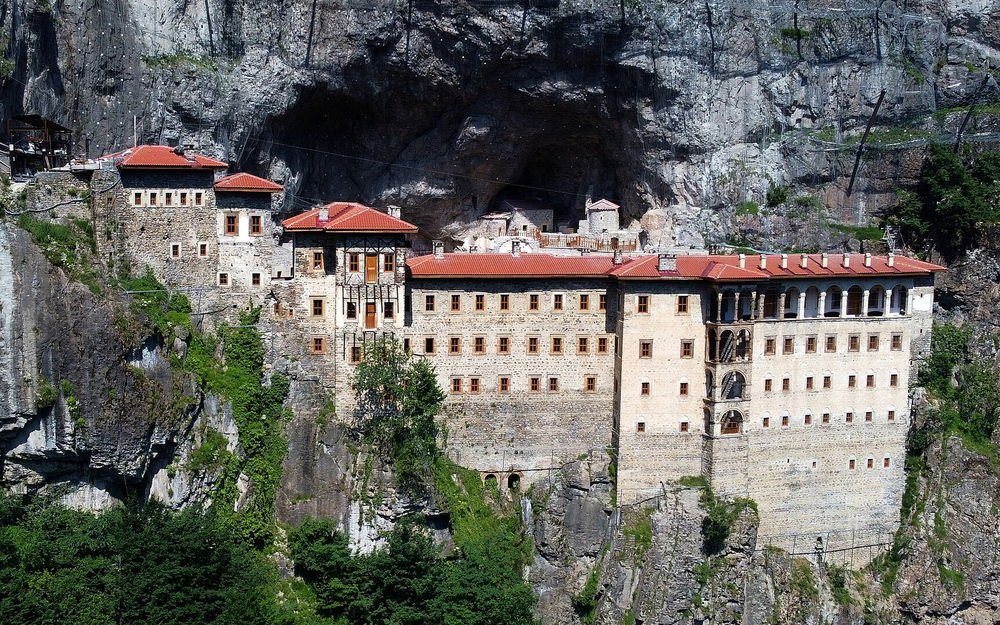
Sumela Monastery
A Greek Orthodox monastery founded in the 4th century, clinging impossibly to a sheer cliff 300 metres above a misty forest valley. Inside, restored chapels are covered in vivid frescoes; outside, the Black Sea’s greenest scenery.
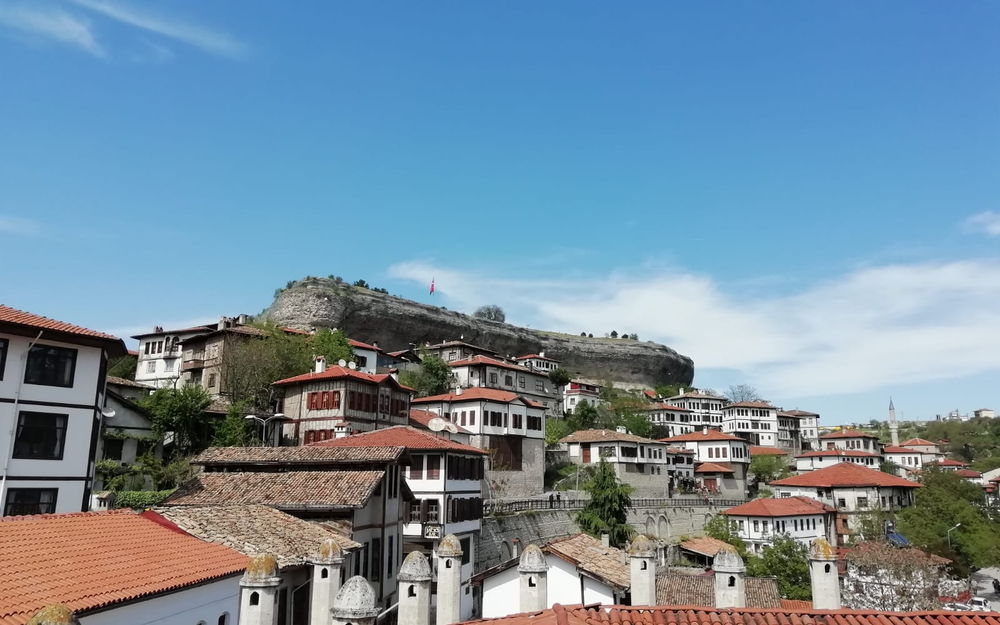 UNESCO
Safranbolu
A perfectly preserved Ottoman merchant town of timber-framed mansions, cobbled lanes, a 17th-century caravanserai and artisan bazaars — named after the saffron that still grows in the surrounding fields.
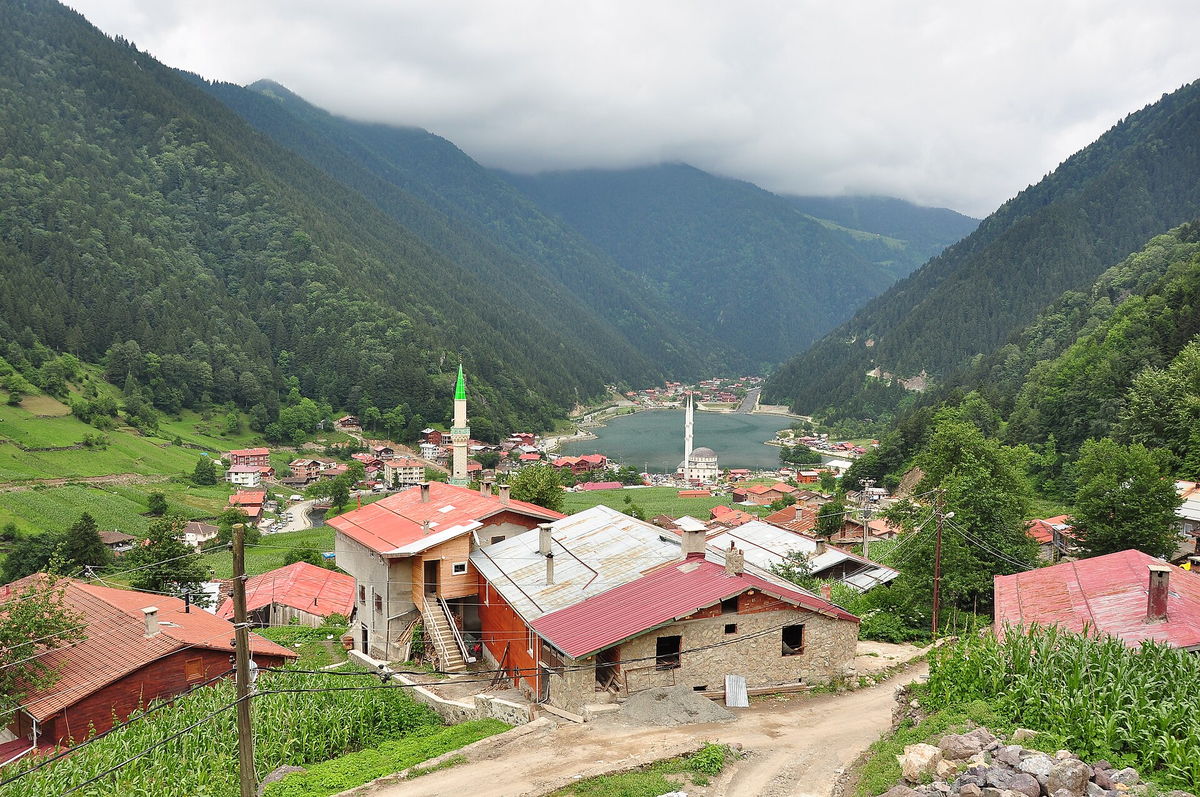
Uzungöl
A mirror-still mountain lake at 1,090 m, with a slender-minaret mosque at the water’s edge and spruce forest climbing into the mist — the Black Sea’s postcard view and a cool escape even in high summer.
Eastern Anatolia
High plateaus, a ghost capital and church islands on a soda lake
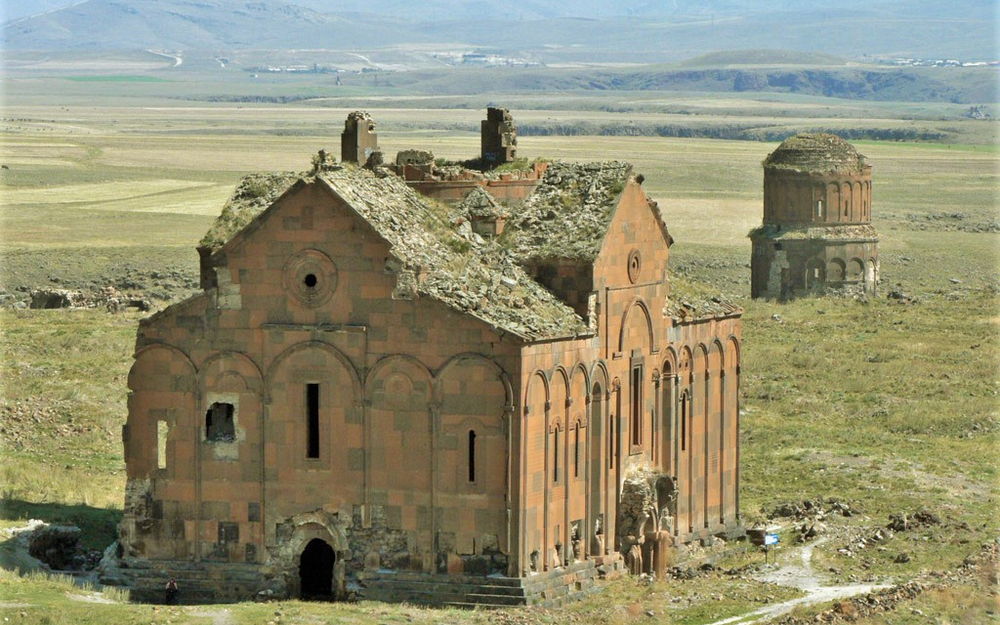 UNESCO
Ani
The haunting ruins of a medieval Armenian capital — the "City of 1,001 Churches" — scattered across a grassy steppe on the very edge of Türkiye. A thousand years ago it rivalled Constantinople; today you may have it almost to yourself.
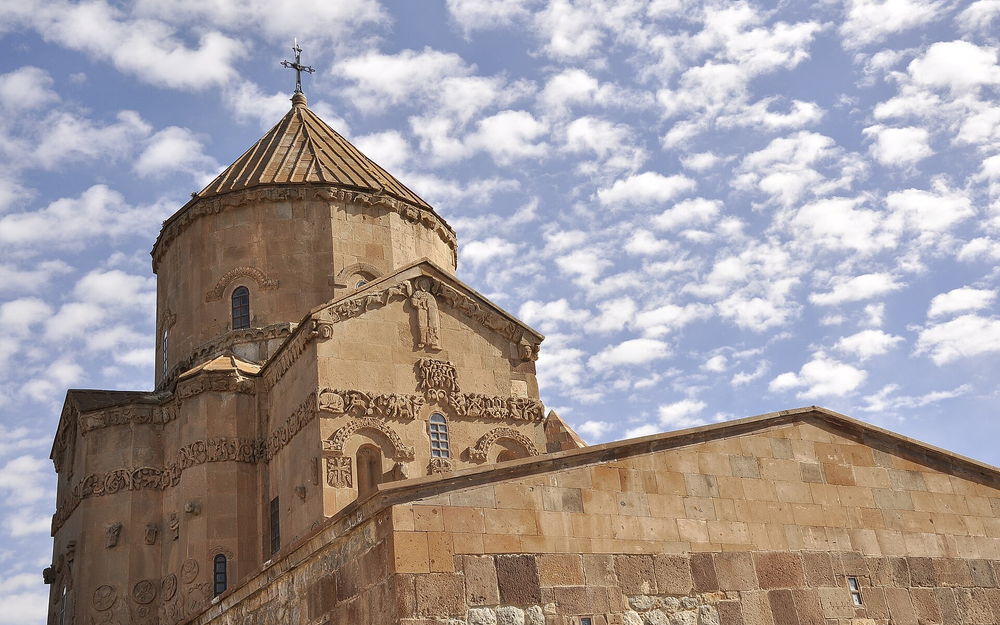
Lake Van & Akdamar
Türkiye’s largest lake — a vast, soda-blue inland sea ringed by volcanoes. A short boat ride brings you to Akdamar Island and its 10th-century Armenian Church of the Holy Cross, carved with vivid biblical reliefs.
Southeastern Anatolia
Mesopotamia: the world’s first temple and cities older than history
 UNESCO
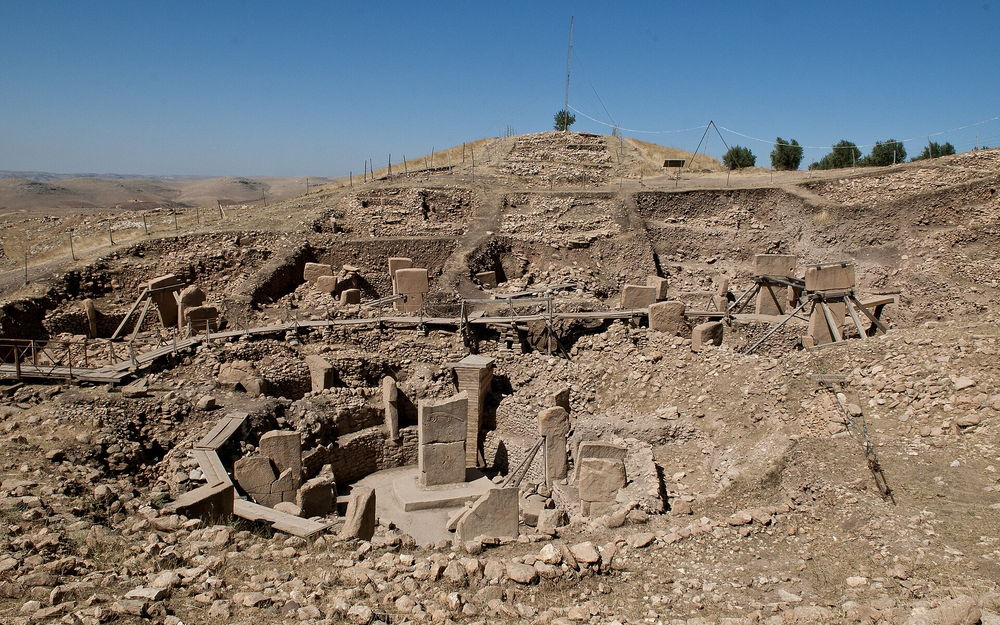
Göbekli Tepe
The oldest known monumental temple on Earth, raised by hunter-gatherers around 9600 BC — some 6,000 years before Stonehenge. Rings of T-shaped megaliths carved with foxes, vultures and scorpions are rewriting the story of civilisation.
 UNESCO
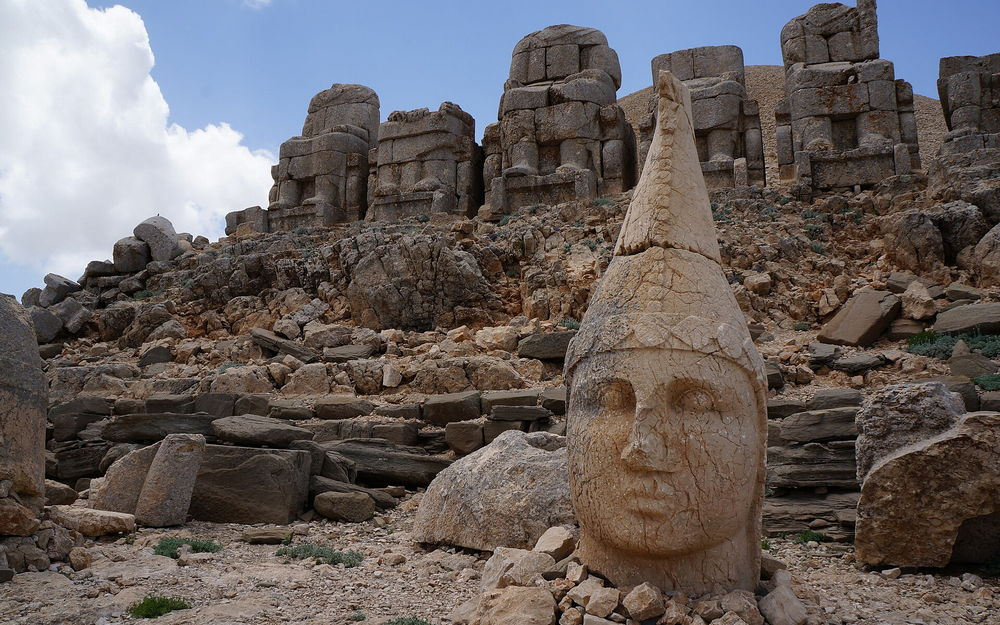
Mount Nemrut
On a 2,134 m summit, a forgotten king of Commagene built his tomb-sanctuary guarded by colossal stone heads of gods and eagles. At sunrise and sunset the toppled statues glow orange above a sea of mountains — pure otherworldliness.
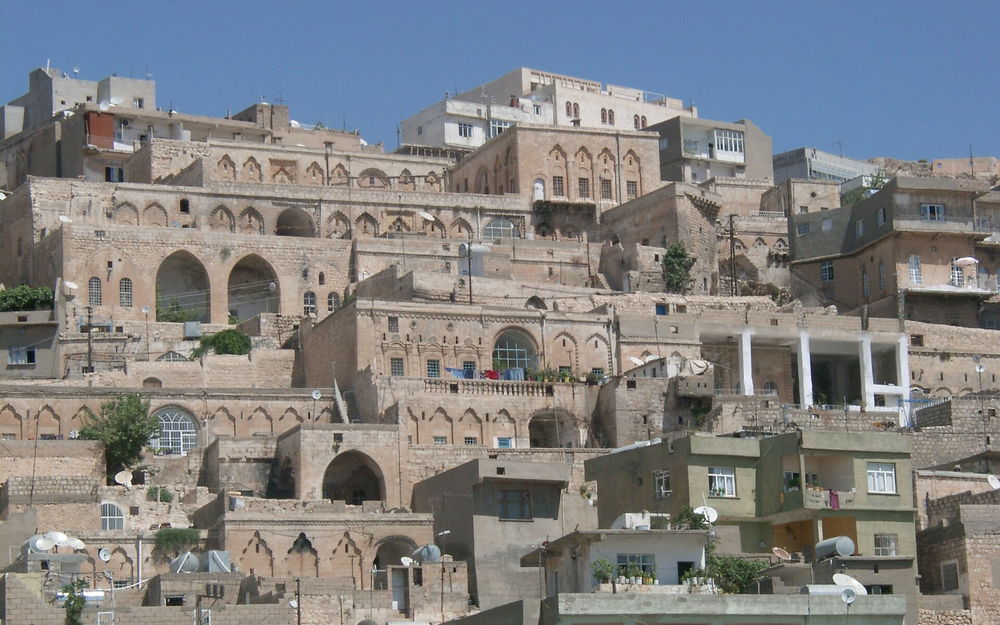
Mardin
Honey-coloured stone houses cascade down a hillside above the endless Mesopotamian plain. Minarets, ancient Syriac monasteries, silver filigree workshops and courtyard cafés make this Türkiye’s most atmospheric southeastern town.
When are you going?
Pick a month and we'll show the destinations at their very best right then.
Practical tips for your trip
A few things that make travelling in Türkiye easier — from visas and money to mosque etiquette.
Visas & entry
Many nationalities enter visa-free or with a quick e-Visa from the official site evisa.gov.tr. Check your passport’s rules before booking.
Money
The currency is the Turkish lira (₺). Cards are accepted almost everywhere, but keep small cash for bazaars, taxis and tips — and haggling in bazaars is expected.
Mosque etiquette
Mosques are free to visit outside prayer times. Shoulders and knees covered, shoes off at the door, headscarves for women (usually provided). Keep voices low.
Getting around
Distances are big: cheap domestic flights (THY, Pegasus, AJet) link all regions, intercity buses are excellent, and high-speed trains connect Istanbul, Ankara and Konya.
Museum Pass
The official Museum Pass Türkiye (muze.gov.tr) covers hundreds of state-run sites — Ephesus, Göbekli Tepe, Topkapı and more — and lets you skip ticket queues.
Food & tea culture
Say yes to çay — tea is the language of hospitality. Try a full Turkish breakfast, street simit, pide, meze by the sea and baklava with pistachio from Gaziantep.